Pipeline Generation: Driving Predictable B2B Revenue
The Sales Coach Network9 min read
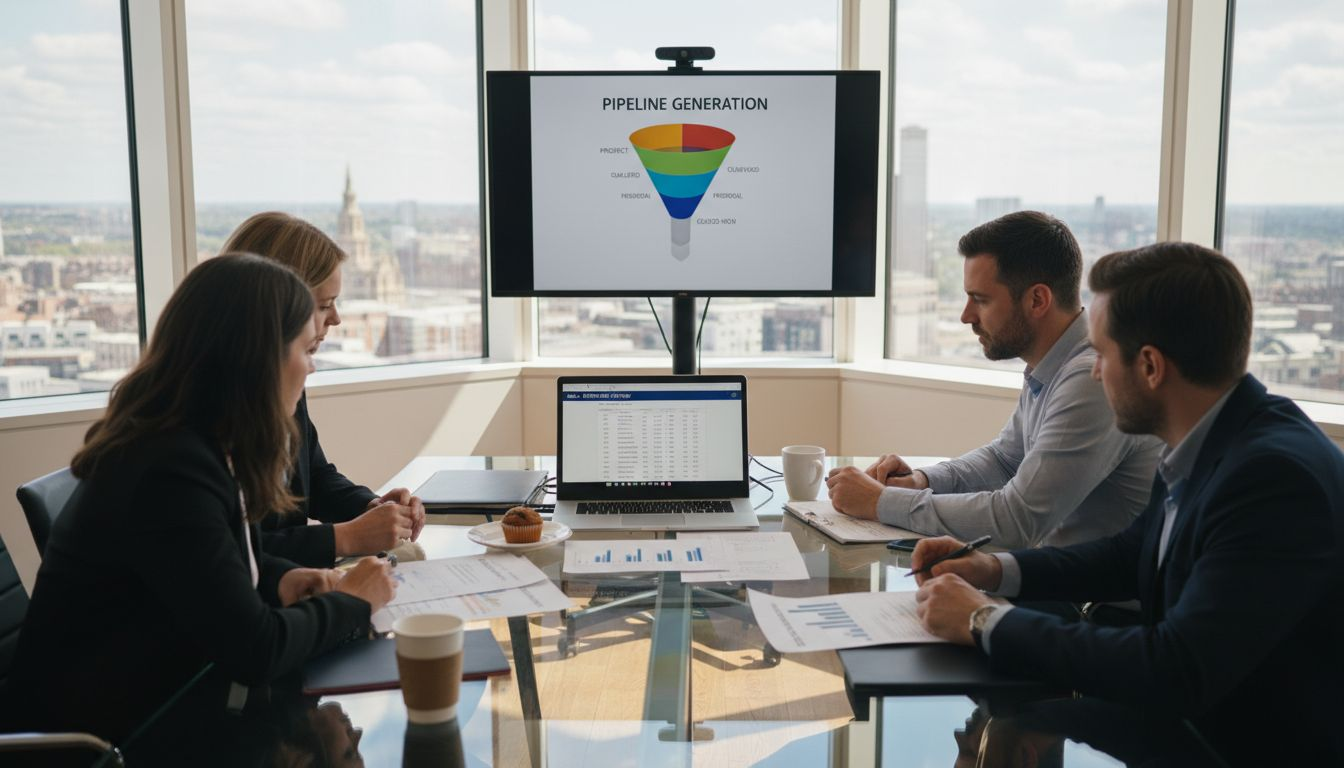
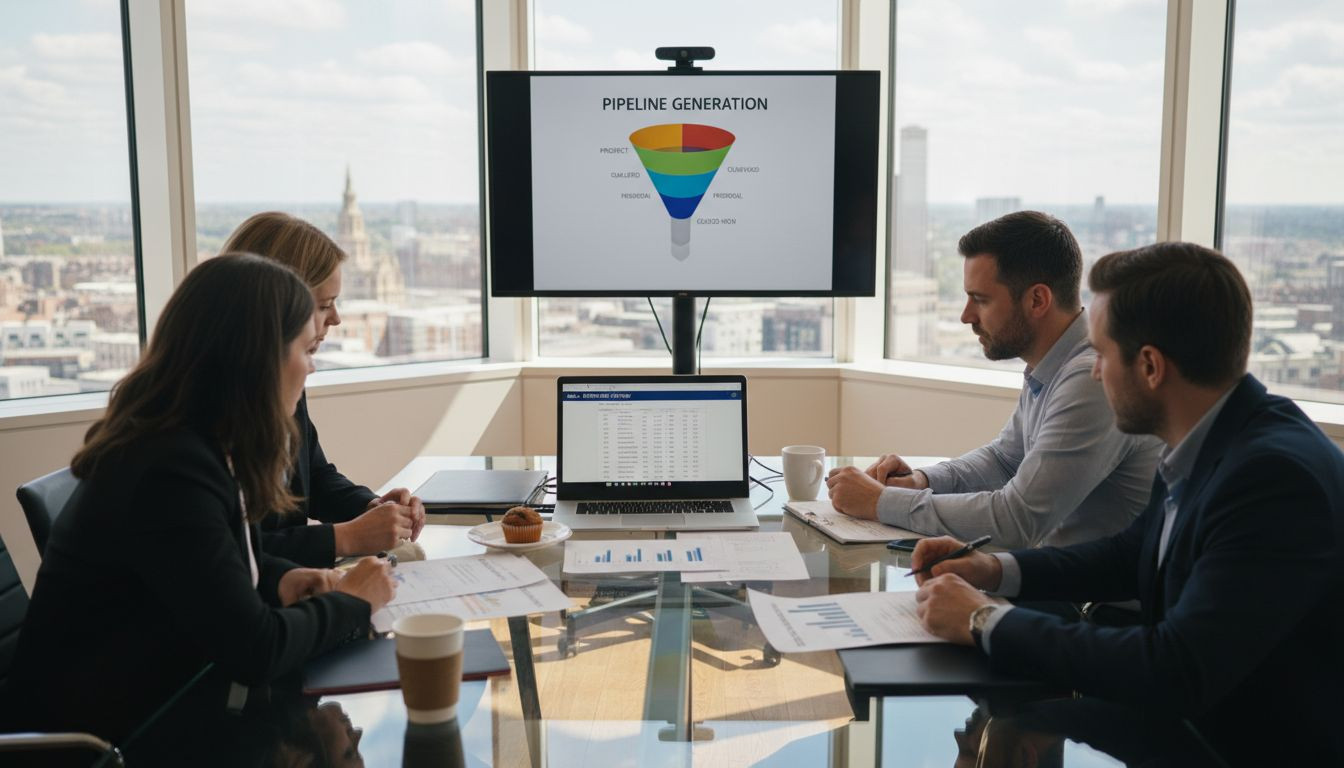
Most british B2B firms struggle to maintain a healthy sales pipeline, with research showing that organisations using structured pipeline generation can achieve up to 28 percent more revenue than those without. For senior revenue leaders, reliable pipeline generation is essential to securing predictable growth and making accurate forecasts. This guide reveals practical strategies and proven methods that help organisations move from inconsistent lead flows to a structured, revenue-focused sales ecosystem.
Table of Contents
Key Takeaways
Point | Details |
Structured Pipeline Generation is Essential | Implementing a rigorous pipeline generation approach ensures effective tracking and nurturing of sales opportunities throughout their lifecycle. |
Diverse Methods Enhance Engagement | Utilising various pipeline generation methods, such as inbound marketing and account-based marketing, increases the chances of converting high-value prospects. |
Clear Stages and Criteria Improve Performance | Establishing well-defined pipeline stages and qualification criteria enables organisations to allocate resources effectively and enhance overall sales performance. |
Collaboration Across Functions is Key | Cross-functional collaboration between marketing and sales teams is crucial for seamless lead progression and creating a sustainable pipeline. |
What Is Pipeline Generation in Sales?
Pipeline generation represents a sophisticated strategic approach enabling sales organisations to systematically create, manage, and progress potential business opportunities through the sales funnel. Unlike traditional lead generation, this process focuses on developing a robust ecosystem of qualified prospects that have genuine potential to convert into revenue.
The fundamental objective of pipeline generation is creating a predictable and sustainable mechanism for tracking sales opportunities throughout their lifecycle. This involves implementing structured methodologies that allow sales professionals to identify, engage, and nurture potential clients with precision and intentionality. By developing a comprehensive understanding of prospect characteristics, buying signals, and conversion potential, organisations can significantly improve their revenue forecasting and sales performance.
Effective pipeline generation combines sophisticated marketing strategies with targeted sales approaches. It requires cross-functional collaboration between marketing and sales teams to ensure prospects are not merely captured, but actively developed through strategic engagement. The process encompasses identifying ideal customer profiles, developing personalised communication strategies, and creating nurturing pathways that guide potential clients towards meaningful business interactions.
Expert insight: Develop a systematic approach to pipeline generation by creating detailed prospect tracking mechanisms and implementing regular qualification review processes to maintain pipeline health and quality.
Types of Pipeline Generation Methods
B2B sales organisations employ diverse pipeline generation methods designed to strategically capture, engage, and progress potential business opportunities. These methods encompass multiple tactical approaches that systematically target different stages of the buyer’s journey, ensuring a comprehensive and dynamic approach to revenue generation.
The primary pipeline generation methods include inbound marketing, which attracts potential clients through valuable content and digital engagement strategies. This approach relies on creating compelling thought leadership materials, search engine optimised content, and targeted digital experiences that draw prospects towards the organisation’s solutions. Outbound prospecting represents a more direct approach, involving proactive sales representatives reaching out to potential clients through personalised communication channels such as email, social media, and telephone outreach.

Advanced pipeline generation techniques like account-based marketing (ABM) and multi-channel campaigns provide sophisticated mechanisms for targeting high-value prospects. ABM focuses on identifying and deeply engaging specific strategic accounts through highly personalised and coordinated marketing efforts. Multi-channel campaigns leverage diverse communication platforms to create integrated, consistent messaging that nurtures prospects across different touchpoints. Referral programmes further complement these methods by leveraging existing client networks to generate high-quality, pre-qualified leads with inherent trust and credibility.
The following table summarises the main pipeline generation methods and their core business value:
Method | How It Works | Primary Business Impact |
Inbound Marketing | Attracts through content and SEO | Builds trust and thought leadership |
Outbound Prospecting | Direct outreach via calls or email | Drives proactive lead engagement |
Account-Based Marketing | Targets key accounts with personalisation | Strengthens high-value relationships |
Multi-Channel Campaigns | Integrates several engagement platforms | Increases reach and touchpoints |
Referral Programmes | Leverages client networks for leads | Delivers trusted, pre-qualified prospects |
Expert tip: Implement a hybrid pipeline generation strategy that combines multiple methods, using data-driven insights to continuously refine and optimise your approach for maximum conversion potential.
Key Stages and Criteria for Success
B2B sales pipeline stages represent a sophisticated framework for systematically advancing potential business opportunities through a structured progression. These stages are meticulously designed to reflect the complex buyer’s journey, ensuring consistent assessment and strategic resource allocation, with each phase requiring precise entry and exit criteria.
Typical pipeline stages encompass critical components such as prospecting, lead qualification, needs discovery, solution presentation, and negotiation. The primary objective is to establish clear, measurable criteria for progression, which enables sales teams to effectively evaluate opportunity potential and allocate resources strategically. Companies implementing well-defined pipeline stages demonstrate remarkable performance improvements, with research indicating that organisations with structured approaches can generate up to 28% more revenue compared to less disciplined counterparts.
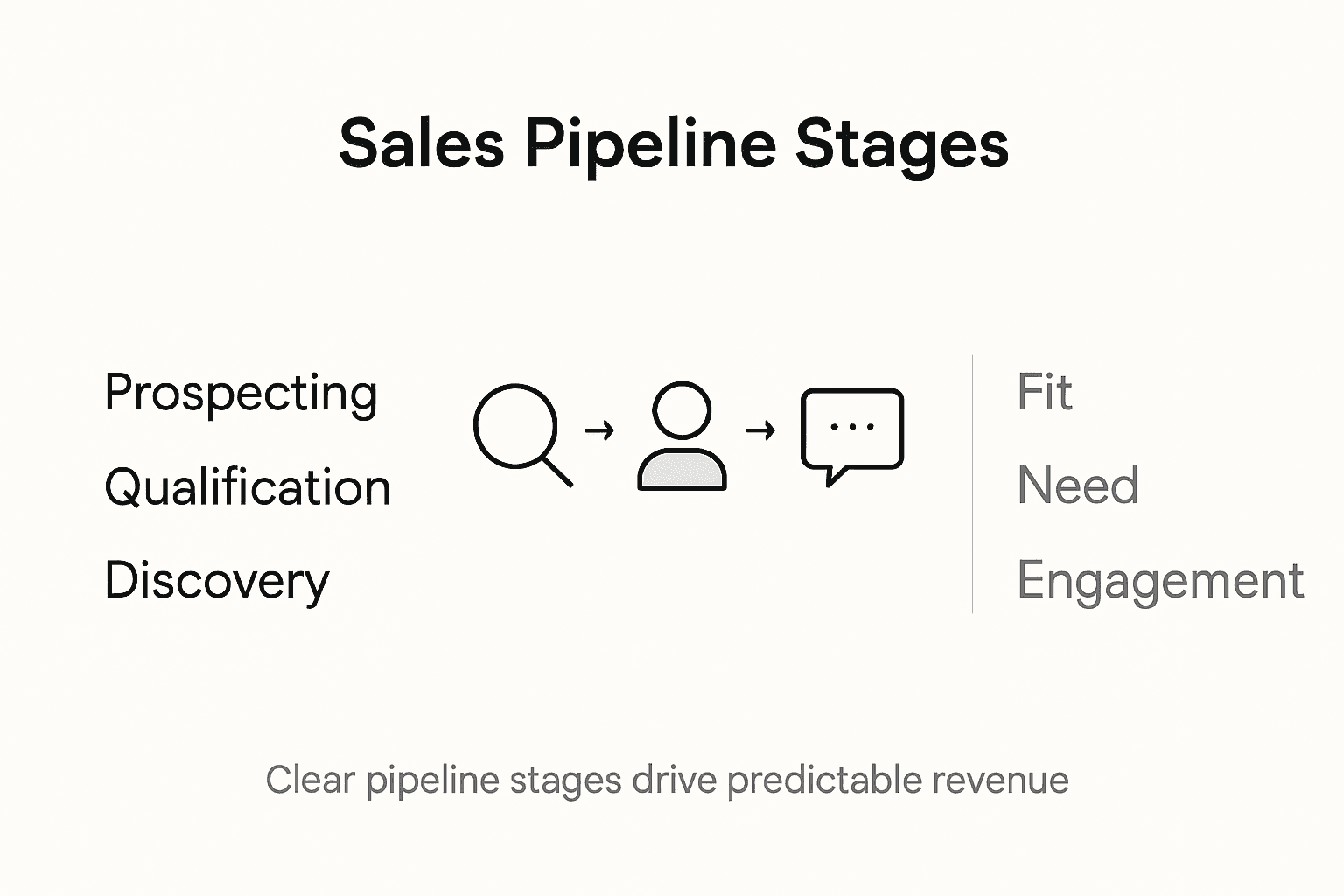
Successful pipeline management demands rigorous qualification mechanisms that go beyond superficial assessments. Qualification criteria should incorporate multiple dimensions, including decision-maker involvement, engagement levels, strategic alignment, and potential business impact. Advanced organisations develop comprehensive checklists that objectively evaluate prospects across financial, operational, and strategic dimensions, ensuring that only high-potential opportunities consume valuable sales resources.
Below is a comparison of key sales pipeline stages and the main success criteria at each step:
Pipeline Stage | Key Success Criteria |
Prospecting | Relevance to ideal customer profile |
Lead Qualification | Decision-maker identified |
Needs Discovery | Buyer’s challenges clearly understood |
Solution Presentation | Strong solution-buyer alignment |
Negotiation | Genuine purchase intent confirmed |
Closing | Deal terms accepted and completed |
Expert recommendation: Develop a standardised qualification scorecard with weighted criteria to create an objective, repeatable method for assessing and progressing sales opportunities through your pipeline.
Roles and Responsibilities in Pipeline Generation
Effective pipeline generation requires a sophisticated, integrated approach involving multiple roles across marketing and sales functions. Successful organisations establish clear responsibilities and collaborative frameworks to ensure seamless lead progression and opportunity management, creating a holistic ecosystem designed to drive predictable revenue growth.
Key roles in the pipeline generation process include Sales Development Representatives (SDRs), who focus on initial prospect identification and qualification, and Account Executives (AEs), responsible for advancing opportunities through detailed negotiation and closure stages. Marketing teams play a critical supporting role, developing targeted content, managing awareness campaigns, and generating initial interest that feeds the early pipeline stages. Strategic alignment between these functions demands robust communication protocols, shared performance metrics, and integrated technological platforms that enable real-time information exchange.
Beyond traditional sales and marketing roles, modern pipeline generation increasingly involves specialised positions such as sales enablement professionals, revenue operations specialists, and customer success managers. These roles provide essential infrastructure, ensuring continuous pipeline optimisation, performance tracking, and post-sale customer engagement. Each team member contributes unique capabilities, from data analysis and lead scoring to relationship management and strategic account development, creating a comprehensive approach that transcends traditional departmental boundaries.
Expert recommendation: Implement regular cross-functional meetings and develop shared key performance indicators to foster collaboration and alignment between marketing, sales development, and account executive teams.
Common Pitfalls and Risks to Avoid
Pipeline generation strategies are fraught with potential challenges that can significantly undermine revenue generation efforts. B2B organisations frequently encounter critical risks that compromise their ability to develop consistent, high-quality sales opportunities, making proactive risk management a fundamental requirement for sustainable growth.
One of the most prevalent risks involves data quality and targeting precision. Organisations often struggle with outdated contact information, imprecise Ideal Customer Profile (ICP) definitions, and ineffective lead qualification processes. These challenges manifest through multiple problematic scenarios: chasing low-potential prospects, misallocating valuable sales resources, and experiencing prolonged sales cycles with minimal conversion potential. Advanced organisations mitigate these risks by implementing rigorous data hygiene protocols, leveraging sophisticated intent-signal tracking, and establishing clear, measurable qualification criteria that prioritise genuine business potential over mere volume.
Additional critical pitfalls include systemic misalignment between marketing and sales functions, inconsistent lead nurturing approaches, and inadequate performance tracking mechanisms. Successful pipeline generation demands a holistic, integrated approach that breaks down traditional departmental silos, creates shared performance metrics, and establishes transparent communication channels. This requires sophisticated technological infrastructure, continuous skills development, and a cultural commitment to collaborative revenue generation that transcends traditional organisational boundaries.
Expert recommendation: Develop a comprehensive pipeline risk assessment framework that includes regular data audits, cross-functional performance reviews, and dynamic qualification criteria to maintain pipeline health and adaptability.
Best Practices for Sustainable Pipeline Growth
Sustainable pipeline generation demands a strategic, integrated approach that transcends traditional sales and marketing boundaries. Modern organisations must develop sophisticated technological ecosystems that enable dynamic data sharing and continuous process optimization, creating adaptable frameworks capable of responding to evolving market conditions.
Critical best practices centre on establishing a comprehensive Ideal Customer Profile (ICP) shared comprehensively across sales and marketing functions. This requires developing precise targeting mechanisms, implementing advanced data hygiene protocols, and creating multi-channel engagement strategies that prioritise quality interactions over mere quantity. Sophisticated organisations invest in integrated technological platforms that facilitate seamless communication, enabling real-time insights and dynamic lead qualification processes that continuously refine opportunity assessment.
Strategic pipeline growth also demands a holistic approach to content and engagement strategies. This involves developing targeted digital marketing initiatives, implementing account-based marketing techniques, and creating nuanced communication approaches that align precisely with complex buyer behaviours. Successful teams focus on building sophisticated measurement frameworks that enable continuous performance evaluation, ensuring that pipeline generation efforts remain agile, responsive, and directly connected to revenue generation objectives.
Expert recommendation: Develop an integrated performance dashboard that tracks pipeline health metrics across multiple dimensions, enabling data-driven decision making and continuous strategic refinement.
Unlock Predictable Revenue with Expert Pipeline Generation Support
This article highlights a common challenge experienced by senior sales leaders: building a consistent and qualified sales pipeline that drives predictable B2B revenue. If you are frustrated by stalled deals, inconsistent team performance, or a lack of qualified opportunities despite your efforts to generate pipeline, you are not alone. Effective pipeline generation requires disciplined qualification, cross-functional collaboration, and a strategic approach to managing deals through multiple stages — concepts central to your success.
At The Sales Coach Network, we partner with senior revenue leaders in complex B2B organisations to embed scalable sales operating systems focused on increasing qualified pipeline opportunities and driving measurable growth. Our proven frameworks like the Sales Accelerator Method and leadership coaching programmes enable your team to move beyond reliance on luck or inbound leads into a disciplined, data-driven sales process. Whether you want to strengthen your qualification criteria, improve cross-functional pipeline collaboration, or accelerate deal progression, our holistic sales training and coaching services ensure sustainable revenue growth.
Ready to transform your pipeline generation efforts from unpredictable to predictable? Explore how our expert practitioners help sales leaders tackle the systemic barriers that stall revenue by visiting The Sales Coach Network today. Take the next step to embed proven sales velocity strategies that deliver results and build a strong pipeline your team can trust.
Frequently Asked Questions
What is pipeline generation in sales?
Pipeline generation is a strategic approach that helps sales organisations systematically create, manage, and progress potential business opportunities through the sales funnel, focusing on building a robust ecosystem of qualified prospects that can convert into revenue.
Why is pipeline generation important for B2B sales?
Pipeline generation is crucial for B2B sales as it creates a predictable and sustainable mechanism for tracking sales opportunities throughout their lifecycle, improving revenue forecasting and overall sales performance.
What are the key stages of the sales pipeline?
The key stages of the sales pipeline typically include prospecting, lead qualification, needs discovery, solution presentation, negotiation, and closing, each with specific entry and exit criteria to assess opportunity potential.
How can I improve my pipeline generation strategy?
To improve your pipeline generation strategy, implement a hybrid approach combining multiple methods such as inbound marketing and outbound prospecting, use data-driven insights for continuous optimisation, and ensure cross-functional collaboration between sales and marketing teams.
Recommended