Sales Management
Sales Team Accountability Guide: Drive Predictable Revenue
The Sales Coach Network9 min read
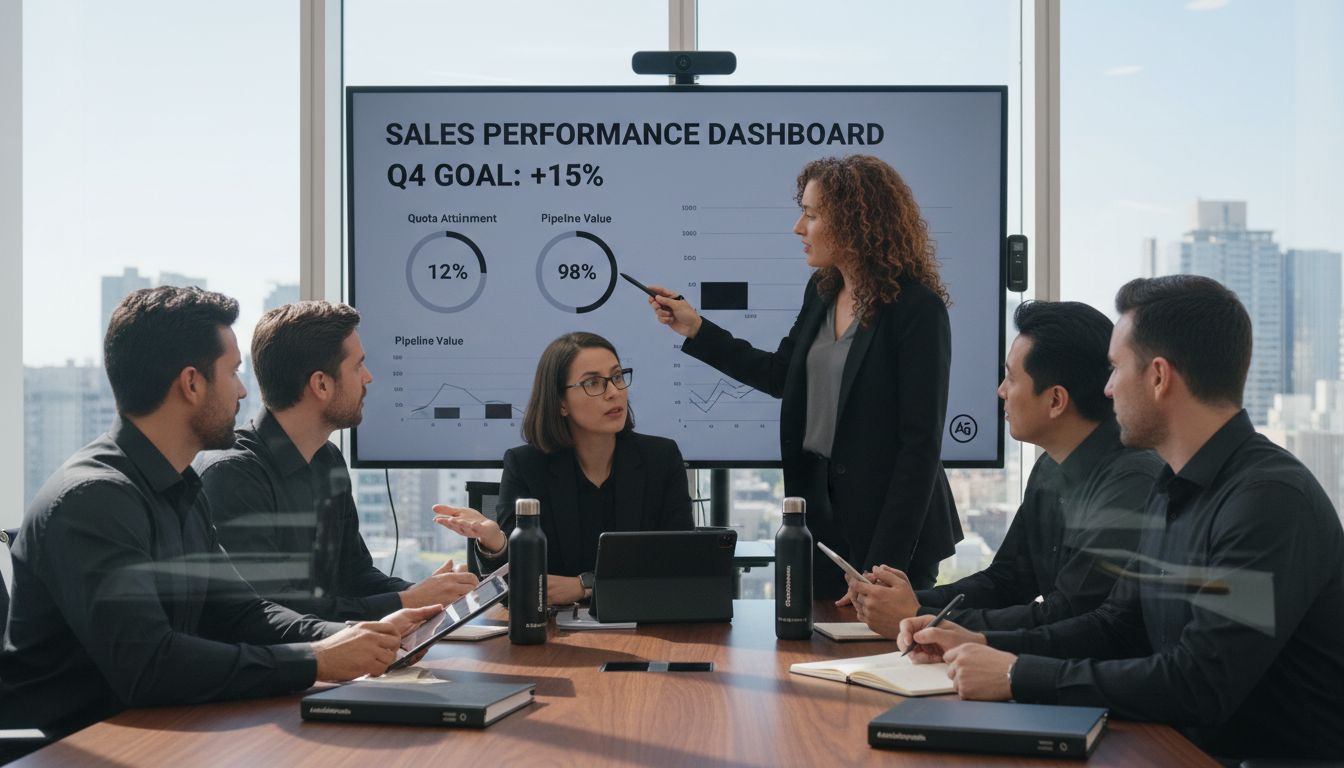
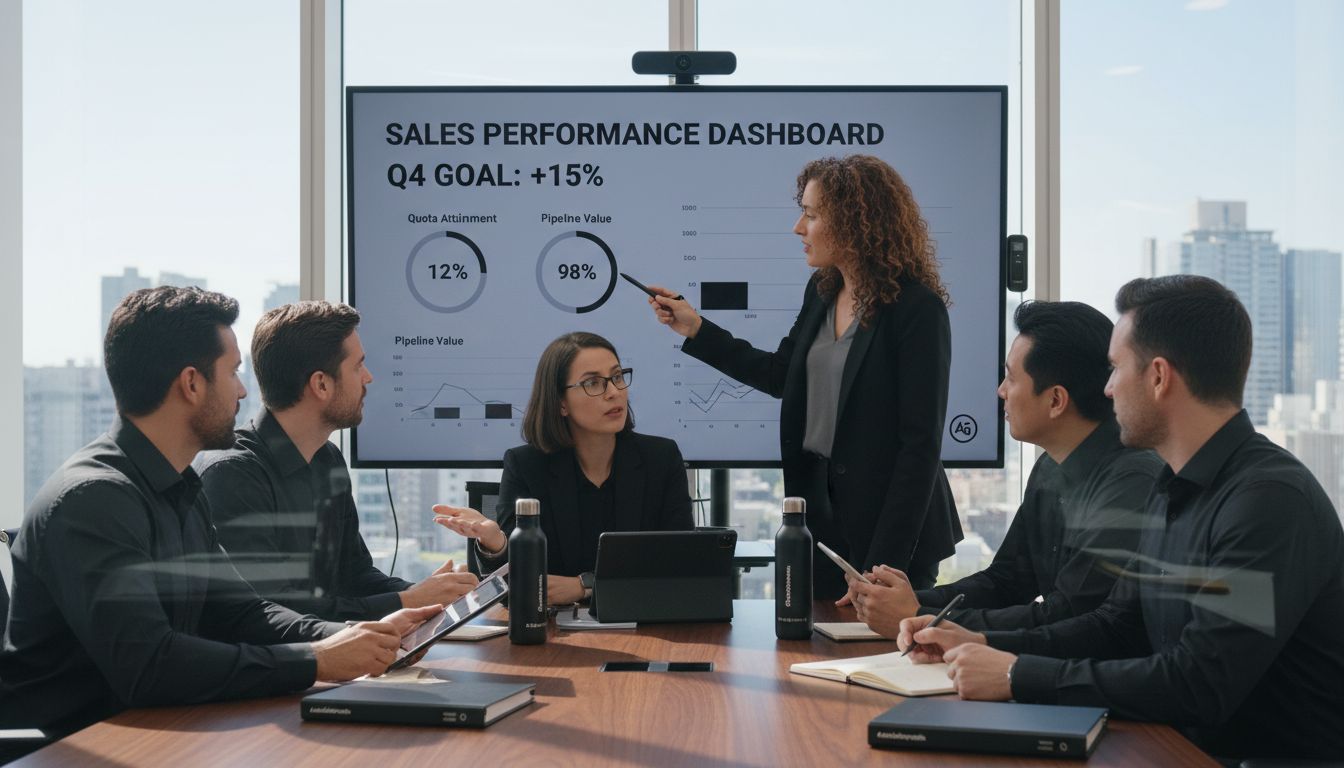
Nearly 60 percent of sales leaders say their teams lack clear accountability, which often leads to missed targets and frustrated managers. Without well-defined standards and expectations, even the most talented sales professionals can struggle to deliver consistent results. Setting up a structured accountability framework gives your sales team the clarity, focus, and support needed to turn potential into real performance gains.
Table of Contents
Quick Summary
Key Point | Explanation |
1. Establish Clear KPIs | Create measurable KPIs aligning sales with organizational goals to drive performance effectively. |
2. Define Roles and Expectations | Develop detailed job descriptions and performance agreements to ensure clarity in responsibilities and outcomes. |
3. Implement Performance Tracking | Utilize a robust tracking system to monitor key metrics and facilitate actionable insights for improvement. |
4. Provide Real-Time Feedback | Embed ongoing coaching sessions to give timely, constructive feedback that fosters skill enhancement and support. |
5. Adapt Based on Reviews | Regularly review performance outcomes and processes to enable systematic improvements and adapt to changing needs. |
Step 1: Define Clear Accountability Standards
Defining clear accountability standards transforms sales team performance from unpredictable chaos to structured success. According to Salesforce, establishing these standards involves creating measurable key performance indicators (KPIs) that align team efforts with organisational objectives.
Start by identifying specific metrics that truly reflect sales performance. These typically include quota attainment, conversion rates, sales cycle length, and pipeline progression. When selecting metrics, prioritise indicators that provide actionable insights rather than collecting data for data’s sake. For instance, track not just how many deals were closed, but understand the quality and potential of those deals.
One practical approach is creating a transparent performance scorecard visible to all team members. This scorecard should clearly outline expectations, benchmark performance levels, and provide real time tracking. By making accountability visible and objective, you remove ambiguity and create a culture of consistent performance. Remember that accountability is not about punishment but about creating a supportive environment where everyone understands their targets and has the resources to achieve them.
Warning: Avoid metrics that create perverse incentives. A good KPI should motivate positive behaviours that genuinely drive revenue growth, not encourage short term thinking or manipulative practices.
Next, you will learn how to communicate these standards effectively to your sales team, ensuring everyone understands and commits to the new accountability framework.
Step 2: Align Roles and Set Specific Expectations
Aligning roles and setting specific expectations is crucial for creating a high performance sales team that understands exactly what success looks like. According to Salesforce, this process involves establishing clear key performance indicators that ensure each team member knows their precise responsibilities and performance benchmarks.
Begin by developing comprehensive job descriptions that go beyond generic titles. Map out specific responsibilities for each sales role including lead generation, account management, relationship building, and deal closure. Break down these responsibilities into measurable outcomes. For example, a sales development representative might have clear expectations around daily prospecting activities, number of qualified leads generated, and conversion rates from initial contact to scheduled meetings.
Create individual performance agreements that outline not just quantitative targets but qualitative expectations. These agreements should include specific metrics like sales quota, pipeline development, customer retention rates, and collaboration metrics. The goal is to create a holistic view of performance that rewards both individual achievement and team contribution. This approach prevents siloed thinking and encourages a collaborative sales environment where team members understand how their individual efforts contribute to overall organisational success.

Warning: Be careful not to create overly rigid expectations that stifle creativity or discourage risk taking. Flexibility and room for individual sales style are essential for maintaining team motivation and innovation.
Next, you will explore how to implement robust tracking and reporting mechanisms that transform these role expectations into actionable performance insights.
Step 3: Implement Rigorous Performance Tracking
Implementing rigorous performance tracking transforms raw sales data into actionable insights that drive team performance and organisational growth. According to Salesforce, successful tracking involves monitoring key performance indicators that provide measurable goals and ensure alignment with organisational objectives.
As recommended by JDR Group, start by selecting the right performance metrics that genuinely reflect sales effectiveness. This means going beyond simple quota attainment and creating a comprehensive tracking system that captures lead generation quality, conversion rates, sales cycle length, and customer retention. Implement a robust Customer Relationship Management (CRM) system that allows real time performance monitoring and provides granular insights into individual and team performance.
Establish a regular reporting cadence where performance data is reviewed transparently. Schedule weekly or monthly performance review sessions where team members can discuss their metrics, share insights, and develop improvement strategies. This approach transforms performance tracking from a punitive exercise into a collaborative growth opportunity.
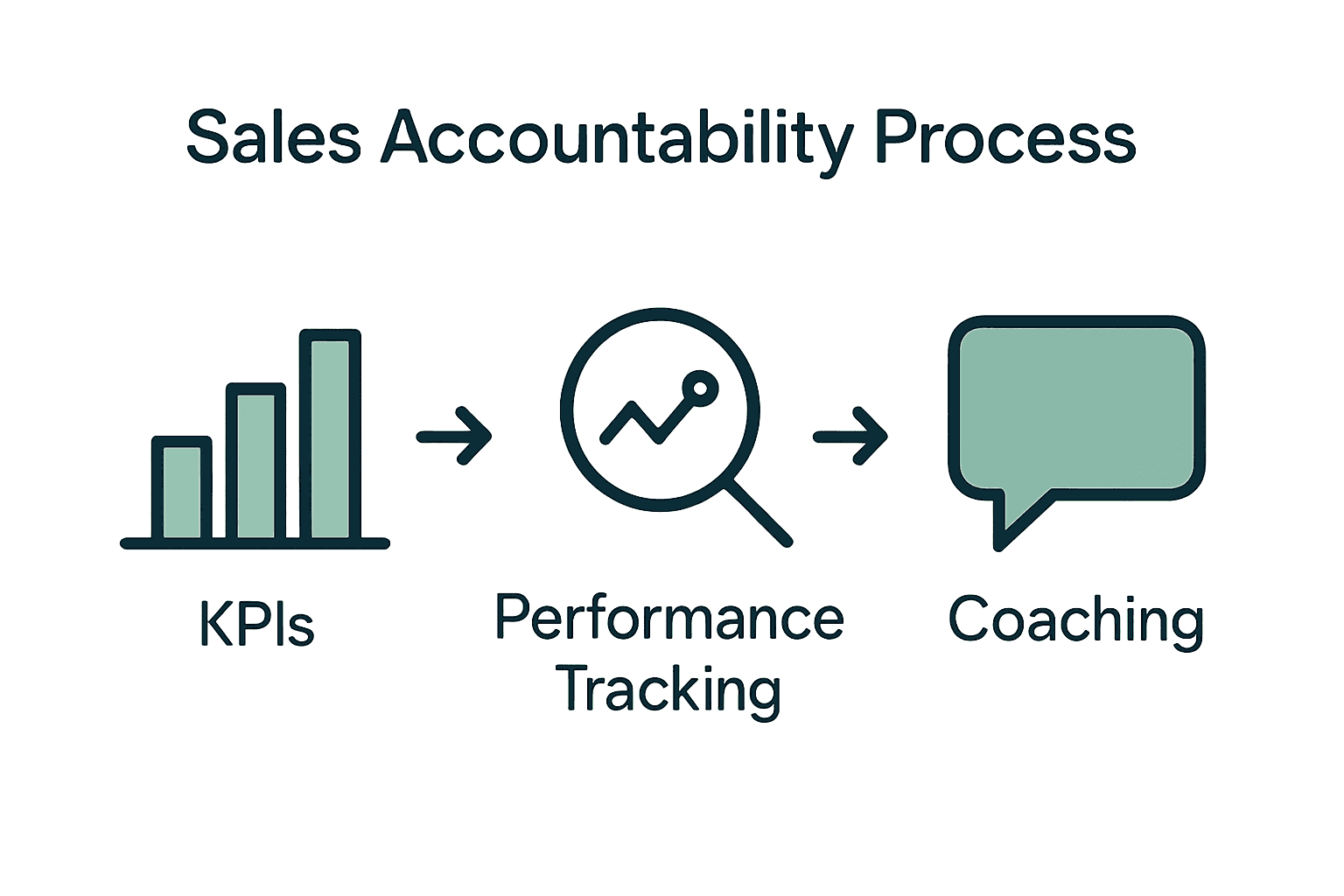
The key is to create an environment where data is used to support and develop sales professionals rather than simply judge their performance.
Warning: Avoid analysis paralysis. While tracking is crucial, do not let data collection become so complex that it takes time away from actual sales activities. Focus on metrics that provide clear, actionable insights.
Next, you will learn how to provide constructive feedback and coaching based on these performance insights to drive continuous improvement across your sales team.
Step 4: Embed Real-Time Coaching and Feedback
Embedding real-time coaching and feedback transforms sales performance from reactive management to proactive development. According to Pareto, continuous tracking and feedback are essential for adjusting and optimizing goals in a timely manner, ensuring strategic execution remains dynamic and responsive.
Salesforce recommends creating a structured yet flexible coaching framework that goes beyond traditional performance reviews. This means implementing regular touchpoints where managers provide immediate, constructive feedback tied directly to observable performance metrics. Develop a rhythm of weekly or bi-weekly one-on-one sessions where sales representatives can receive targeted coaching, discuss challenges, and collaboratively develop improvement strategies. These sessions should be dialogue driven, allowing team members to share insights, seek guidance, and feel supported rather than judged.
Design your coaching approach to be forward looking and developmental. Instead of simply highlighting past performance gaps, focus on skill enhancement and strategic problem solving. Use specific examples from recent sales interactions to illustrate coaching points, making feedback tangible and actionable. Encourage a culture of peer learning where top performers share their techniques and experienced team members mentor newer representatives.
Warning: Avoid turning coaching sessions into purely critical exercises. The goal is to create a supportive environment that motivates and empowers your sales team to continuously improve.
Next, you will explore how to create a recognition and rewards system that reinforces the accountability and high performance standards you have established.
Step 5: Review Outcomes and Adapt Processes
Reviewing outcomes and adapting processes is the critical final step in creating a dynamic and responsive sales accountability framework. According to Pareto, continuous tracking and feedback are essential for adjusting and optimizing goals in a timely manner, ensuring strategic execution remains agile and effective.
Salesforce recommends establishing a systematic approach to performance review that goes beyond simple metrics analysis. Schedule quarterly comprehensive review sessions where you critically examine key performance indicators such as quota attainment, conversion rates, and sales cycle length. During these sessions, do not just analyse data but dig deeper into the underlying patterns and behaviours that drive or hinder performance. Bring together sales leaders, team managers, and high performing representatives to collaboratively identify systemic challenges and innovative solutions.
Create a structured feedback loop that transforms insights into actionable process improvements. This means developing clear protocols for implementing changes based on your review findings. Prioritise modifications that have the most significant potential impact on sales performance. Encourage a culture of continuous learning where team members are not just passive recipients of changes but active contributors to process evolution. Document each adaptation carefully, tracking its effectiveness over subsequent performance periods.
Warning: Avoid making frequent or radical changes that can destabilise your sales team. Incremental, well considered adjustments are more likely to yield sustainable improvements.
By consistently reviewing outcomes and adapting your processes, you create a living accountability system that grows and improves alongside your sales team.
Unlock Consistent Sales Success with Expert Accountability Solutions
The article “” highlights core challenges such as unclear accountability standards, lack of role alignment, and ineffective performance tracking. These issues often lead to unpredictable revenue and stalled deals that frustrate sales leaders striving for sustainable growth. If your sales team struggles with embedding real-time coaching and adapting processes based on outcomes, you are not alone. Many complex B2B organisations face these exact pain points, especially when generic training fails to fix systemic problems.
At The Sales Coach Network, we partner with senior revenue leaders to embed scalable sales operating systems that bring clarity and discipline to accountability frameworks. Our practical, results-driven approach strengthens every stage covered in the guide—from defining clear KPIs to implementing ongoing coaching and performance reviews. Explore our bespoke sales leadership training and sales coaching services designed specifically for complex teams who need to drive predictable revenue now.
Don’t let inconsistent team performance hold your organisation back. Discover how our expert practitioners can transform your sales culture and accelerate growth. Visit The Sales Coach Network today to take the first step towards sustained, measurable sales success.
Frequently Asked Questions
How can I define clear accountability standards for my sales team?
Defining clear accountability standards begins by establishing measurable key performance indicators (KPIs) relevant to your sales goals. Identify specific metrics like quota attainment and conversion rates, ensuring they provide actionable insights. Start tracking these metrics within 30 days to align your team’s efforts with organizational objectives.
What roles should I align within my sales team to improve performance?
Align roles by developing detailed job descriptions that specify responsibilities like lead generation and account management. Set clear expectations and measurable outcomes for each role, ensuring every team member understands their contributions to the overall success. Revisit and adjust these roles quarterly to maintain clarity and effectiveness.
How can I implement effective performance tracking for my sales team?
Implement performance tracking by selecting relevant metrics that reflect sales effectiveness beyond just quota attainment, such as lead quality and customer retention. Establish a robust system for real-time monitoring and schedule regular performance review sessions at least monthly to analyze data collectively and develop improvement strategies.
What is the best approach for providing feedback and coaching to my sales team?
Use a forward-looking coaching approach that focuses on skill enhancement and problem solving rather than merely identifying past performance gaps. Schedule regular one-on-one sessions bi-weekly to provide constructive feedback tied to specific metrics, fostering a culture of continuous improvement and support.
How do I review outcomes and adapt processes for better sales performance?
Conduct quarterly reviews to critically assess key performance indicators and identify underlying patterns in your sales data. Develop clear protocols for implementing changes based on review findings, focusing on incremental adjustments that can enhance team performance over time. Document these adaptations and track their effectiveness to ensure ongoing improvement.
Recommended